The Missing AI Infrastructure Layer Is You
Personal intelligence needs the person.

The dream of intelligent machines is decades old. In 1987, Apple made “Knowledge Navigator” - an iconic six-minute film about a professor and his computer. The bow-tied agent on screen runs logistics and data analysis. Professor gets to have brilliant ideas and go to lunch.
Apple’s 1987 “Knowledge Navigator”. Iconic!
Everyone remembers this video for the tablet. But what we should really notice is how Professor’s entire todo list revolved around people: students, parents, colleagues. We should be impressed that the agent knew who the professor’s mother was. That it knew professor was friends with Jill Gilbert and frenemies with John Flemming. That it knew to how match professor’s style, with its bowtie and impeccable manners.
Our real lives revolve around each other. Our intelligence should, too.
Yet, today it does not. Instead, it revolves around things.
It all started with traditional software in 1990s. As a data engineer, I grew up on data warehouse examples like this:
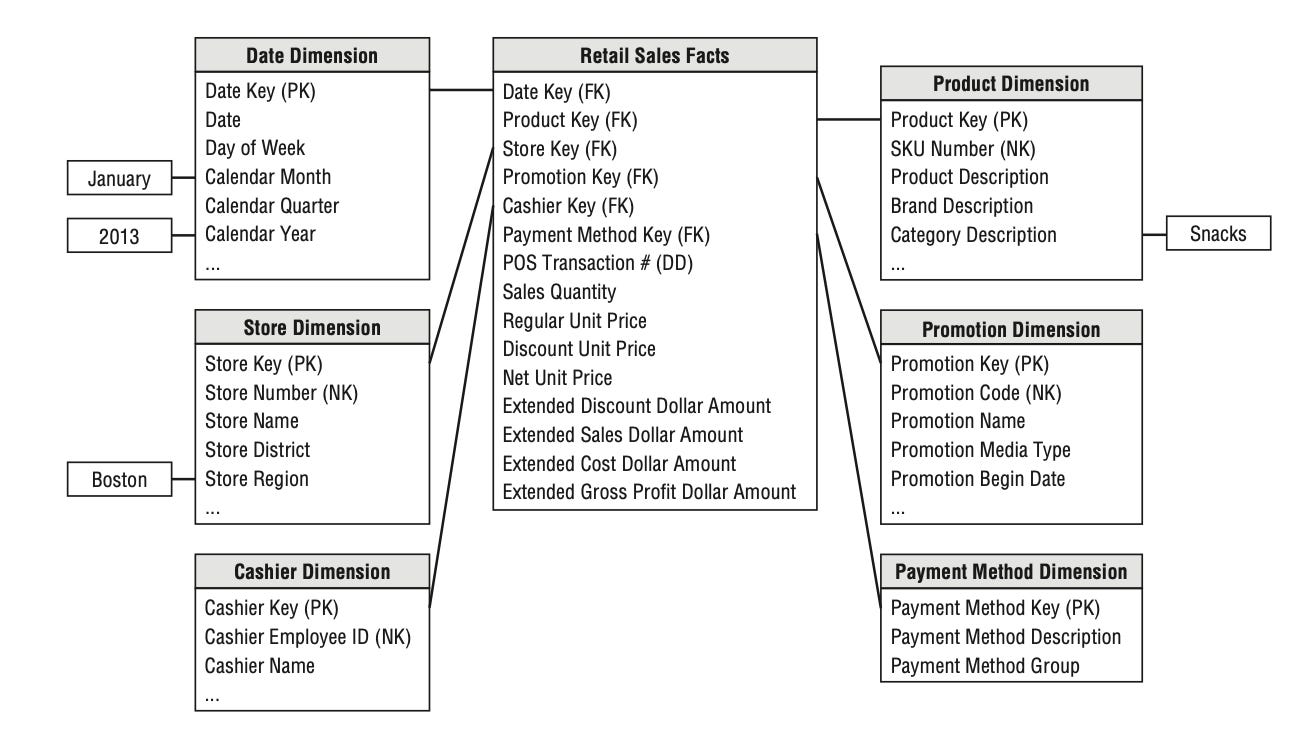
Ralph Kimball “The Data Warehouse Toolkit, Third Edition”. Also iconic.
Look at it closely: it contains seven tables about product and stores, and none about the customer. If your data warehouse ever had a customer table, it was for their contact information. Customers only existed because you had to know where you were shipping to.
In 2010s, machine learning was supposed to fix that. Amazon and Spotify were finally going to make intelligence personal. Data warehouses evolved into feature stores, but the focus didn’t change much.
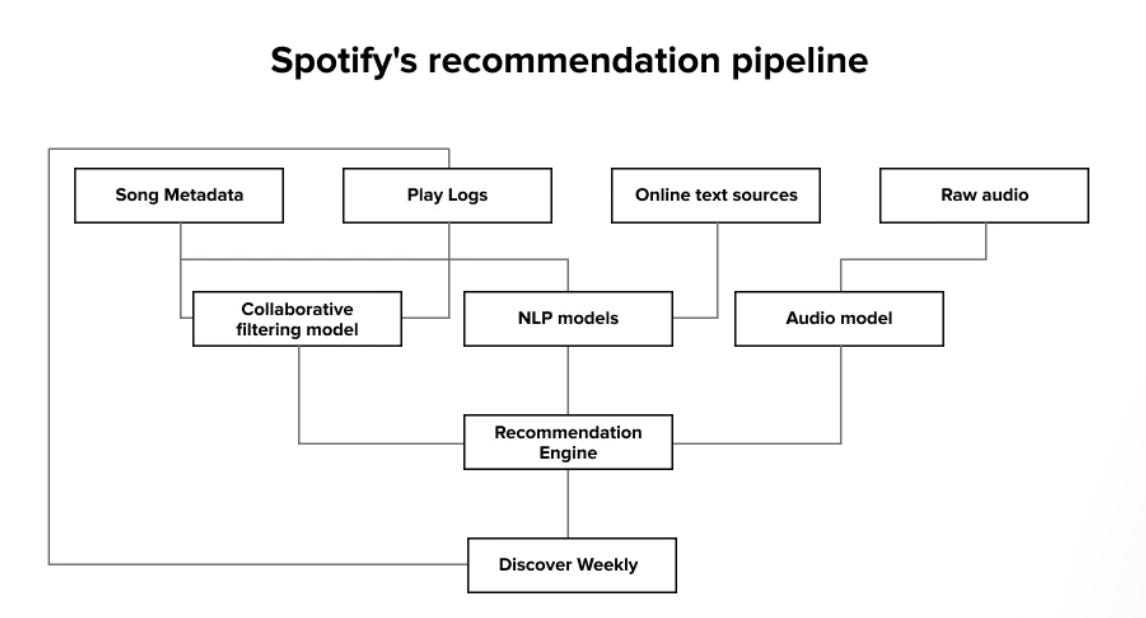
Spotify example from “Machine Learning Recommendation Systems” by AppInventiv
Notice how it was all about things in their catalogs: products, songs, movies. Users exist in that system, but in relationship to the things they clicked on.
In 2020s, AI came along to fix that, but we are making it all about things the third time. AI industry is building the infrastructure around models intended to make them personal. Harnesses assembles the context window. Knowledge wikis index what is true about the world. Memory stores your past conversations. This infrastructure is the closest we’ve ever come to intelligence knowing us - but it’s still mostly bounded to things. At best, it aims to remember that you’re a vegetarian. It will not know who you call in a pinch.
We are knowable. Our relationships, values, and aspirations are knowable. Your friends know them about you. Your team at work knows them about you. Everyone who loves you knows them about you. It’s just these things have never ever been infrastructure.
And now they have to be, because there’s no personal intelligence without the person.
Intelligence is gaining an unparalleled ability to reason, and it’s beautiful to watch. But life has hundreds of right answers. Intelligence also has to know your life well enough to know which ones are yours. It needs you.
Without you, here is how the story ends.
AGI finally rolls out of the lab. You sit in front of an empty chat window trying to compress your life into one prompt worth the grandeur of the moment. You consider connecting your Gmail. You think better of it. The cursor blinks.
The most capable intelligence ever built waits on a person it can’t know.
I don't think your thesis holds up for the whole world of tech. There are countless companies that have been storing profiles about us for many, many years: our relationships, our movements, practically everything they can get their hands on. It's just that none of it belongs to us! This drives me mad since many many years. At some point I gave up.
But I do agree with you that with AI and for AI we can now build personal infrastructure. I want to decide for myself where the truth about me lives and what kind of truth that is.
I'm also thinking about building my digital self as infrastructure, something I own, use for AI, and make available to others so that their AI can read me.
My hope is that my own profile will then be more valuable than anything others collected about me, so that the incentive to track me disappears.
There are even companies that make money selling these profiles.
So if you're planning to build personal infrastructure for AI, how do you see it competing with all the companies that have been collecting everything about you for decades?
I think it could get really interesting when a company builds its own digital identity and infrastructure, one that is communicated externally, while other companies that would like to have this company as a customer have stored contradictory information about it. For now there are always humans sitting in between, mediating. Once only AI agents are exchanging this information with each other, it could turn into quite a mess. That's why I argue that both companies and individuals should be the sole owners of their digital profile and personal infrastructure.